Most contractors already know the textbook difference. Dry hire is the machine. Wet hire is the machine and the operator. That part is simple.
What is not simple is knowing which one leaves you better off at the end of the job — once you have accounted for crew availability, ticketing, downtime, damage risk and the compliance paperwork that sits behind both. Get that call wrong and a cheaper day rate can quietly turn into a more expensive week.
Here is how to make the decision properly.
What you are actually buying
Dry hire transfers the machine to you and leaves everything else with you. You supply the operator, the ticketing, the supervision, the pre-start checks and the day-to-day care of the plant. You control the roster. You also carry the risk if something goes wrong on your watch.
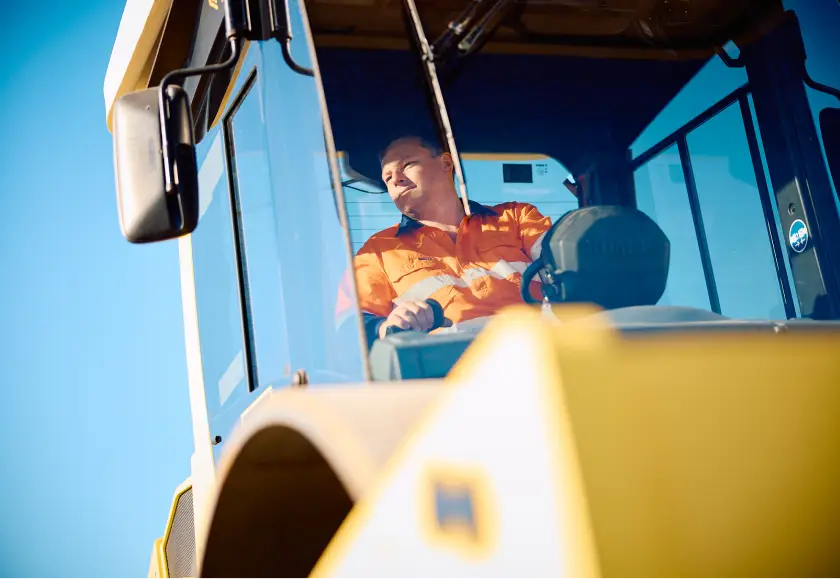
Wet hire puts a competency-verified, site-ready operator in the seat as part of the hire. The operator arrives inducted, current and familiar with the machine. Their hours, competency records and supervision sit with the hire provider, not with your project team.
The distinction matters because it is not really about the machine. It is about where responsibility sits.
When dry hire is the right call
Dry hire works well when three things are true at once.
You have the crew. Not just bodies — current competencies, verified, with genuine time on compaction plant. Roller operation is not a licensed high risk work class in NSW, which means the burden of proving competency sits with you rather than with a licence card. An operator who is competent on an excavator is not automatically competent on a padfoot roller.
The machine is on site long enough to justify it. Dry hire economics improve with duration. For a long-run job where the roller is working most days, spreading the rate across weeks or months is usually the cheaper path.
Your supervision is already there. If you have a site supervisor who can run pre-starts, manage fatigue and pick up a fault before it becomes a breakdown, dry hire lets you keep control without paying for a service you already provide.
Where dry hire falls down is in the gaps. A ticketed operator goes on leave, gets pulled onto another job, or leaves the business — and suddenly you have a machine on hire and nobody to run it. You are still paying for it.
When wet hire earns its rate
Wet hire tends to win in four situations.
Short or intermittent work. If a roller is needed for four days on a nine-week program, standing up a competent operator for that window rarely stacks up. Wet hire matches the cost to the actual need.
Specialised compaction. Achieving a density specification is not just a matter of driving in circles. It is pass counts, lift thickness, moisture, overlap and knowing when the material has stopped responding. An experienced compaction operator gets there faster and with fewer reworks — and rework is where budgets actually go.
Labour is tight. The civil sector has been short of skilled operators for years. Wet hire is one of the few levers that adds capability without a recruitment process.
Compliance scrutiny is high. On council and infrastructure work, competency evidence gets asked for. Wet hire moves that record-keeping burden to the provider.
The cost comparison nobody puts in the quote
A dry hire day rate looks cheaper than a wet hire day rate. It almost always is, on paper.
The honest comparison adds the rest of it: operator wages and on-costs, travel and accommodation for regional work, induction time, supervision, the risk of misuse or damage, and the cost of a day lost when nobody is available to run the machine.
For a five-day job, that arithmetic usually favours wet hire. For a five-month job with a settled crew, it usually favours dry hire. The awkward middle is where it pays to talk it through rather than assume.
There is also a hidden cost in rework. Under-compaction that shows up at test is not just a retest — it is remobilising plant, delaying the layer above, and explaining the variation. An operator who knows the material is cheap insurance against that.
Compliance sits with both — but not equally
Whichever way you go, the transport of that plant to and from site brings both parties into the Chain of Responsibility under the Heavy Vehicle National Law. Loading, restraint, mass and dimension obligations do not disappear because the machine is hired.
What changes is the operational side. Under dry hire, operator competency, fatigue and supervision are your duty of care. Under wet hire, they sit with the provider — assuming the provider actually has systems behind the claim.
That is the question worth asking a hire company: not do you offer wet hire, but show me how you verify competency and manage your operators. The answer separates a genuine wet hire service from a labour-hire arrangement with a machine attached.
How to decide in five minutes
Run through these:
- Do you have an available operator with verified compaction competency for the full hire period?
- Is the machine working most days, or sitting?
- Is there a density specification you have to hit, or is this general site work?
- Who is going to run pre-starts and pick up faults?
- If your operator is unavailable on day three, what happens?
If more than two of those give you pause, wet hire is probably the cheaper option, not the dearer one.
The Rollers approach
We provide both, and we will tell you which one suits the job — including when that answer is dry hire.
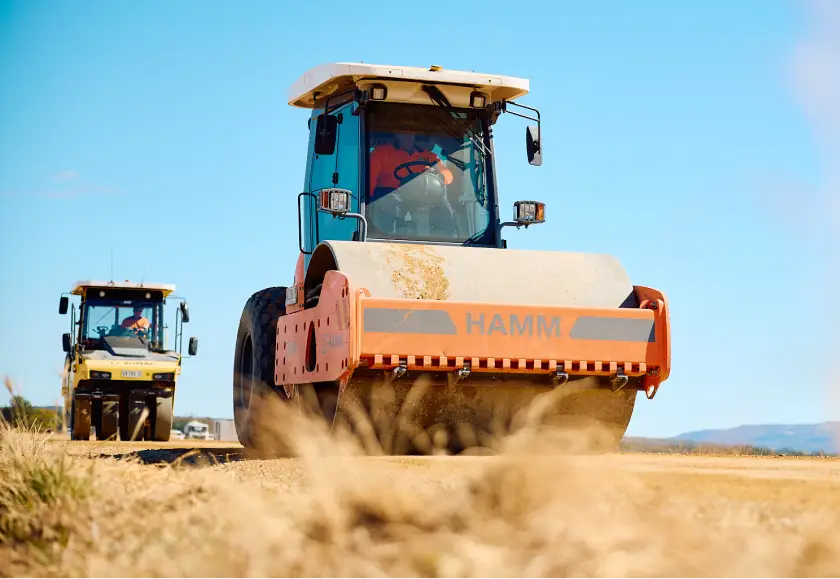
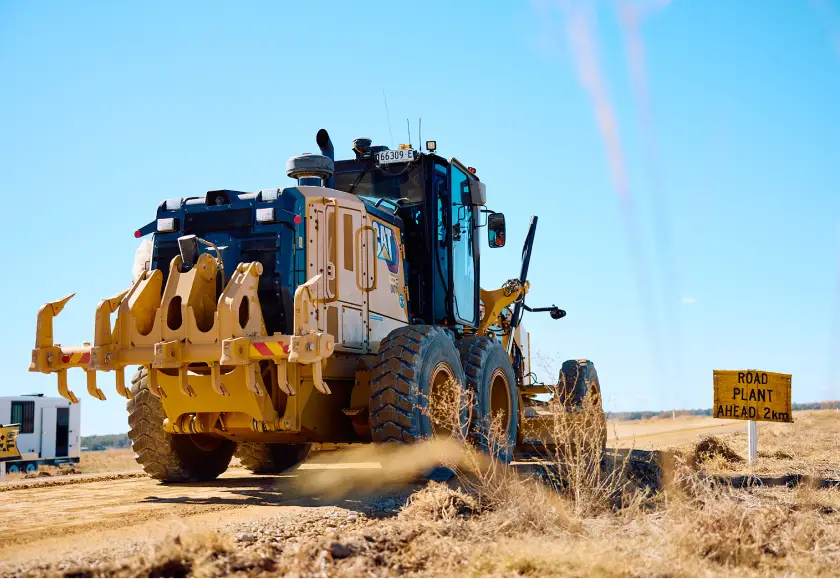
Our fleet is focused on compaction and civil support plant: smooth drum, padfoot, multi-tyred, trench and grid rollers, water carts, graders and sweepers. Because the fleet is specialised rather than general-purpose, we know the condition and history of what turns up. Our wet hire operators are competency-verified, inducted and experienced in civil environments, and our compliance systems back that up in writing when a tender asks for it.
Family-owned and operating from Tamworth since 1999, we support civil contractors and infrastructure teams across regional NSW and QLD.
Tell us about the job and we will give you a straight recommendation. Get in touch or browse the fleet.